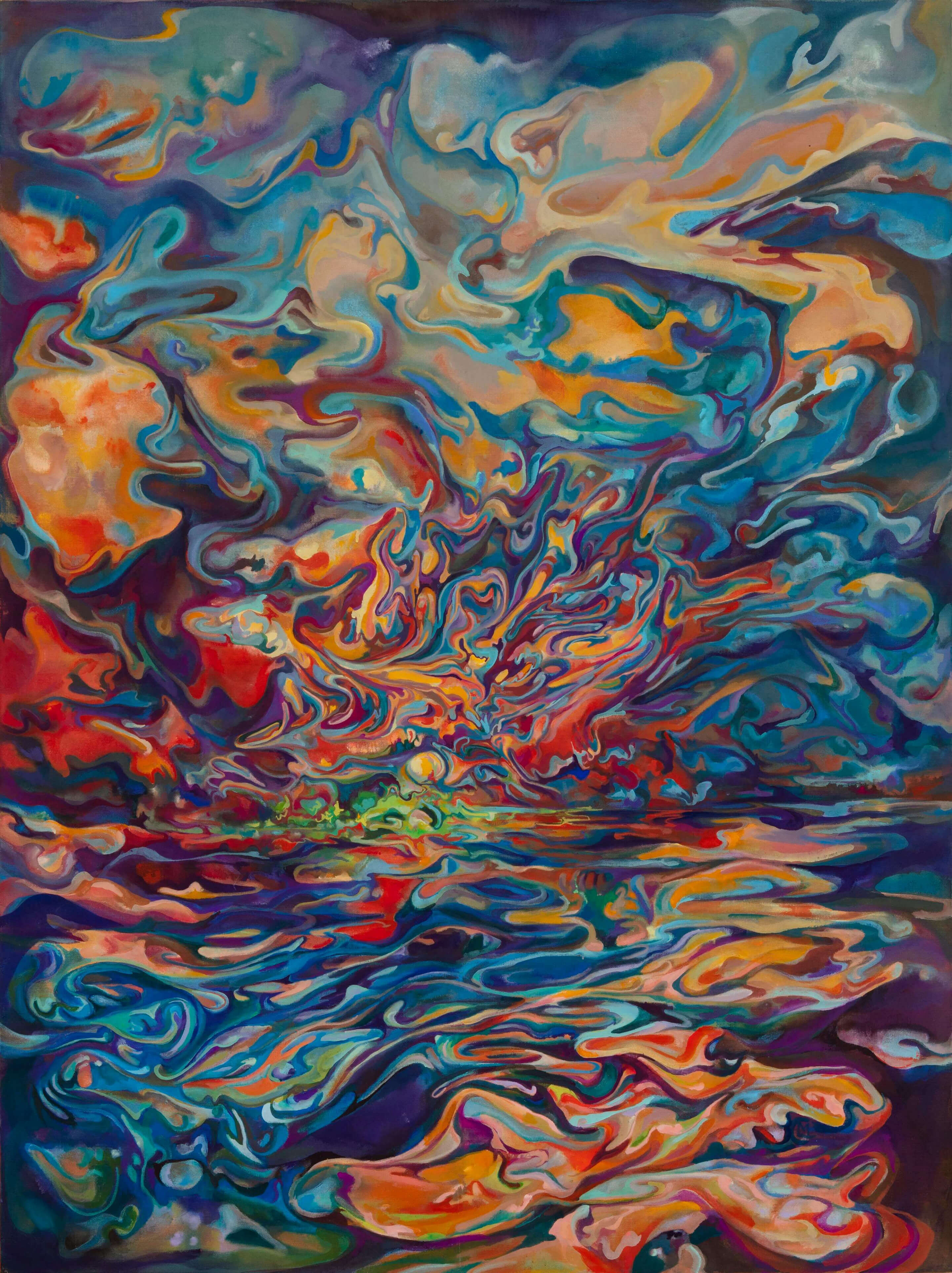
Current Exhibition I GNYP BERLIN
12 September 2024 – 19 October 2024
Maria Calandra
The Seasons Bend
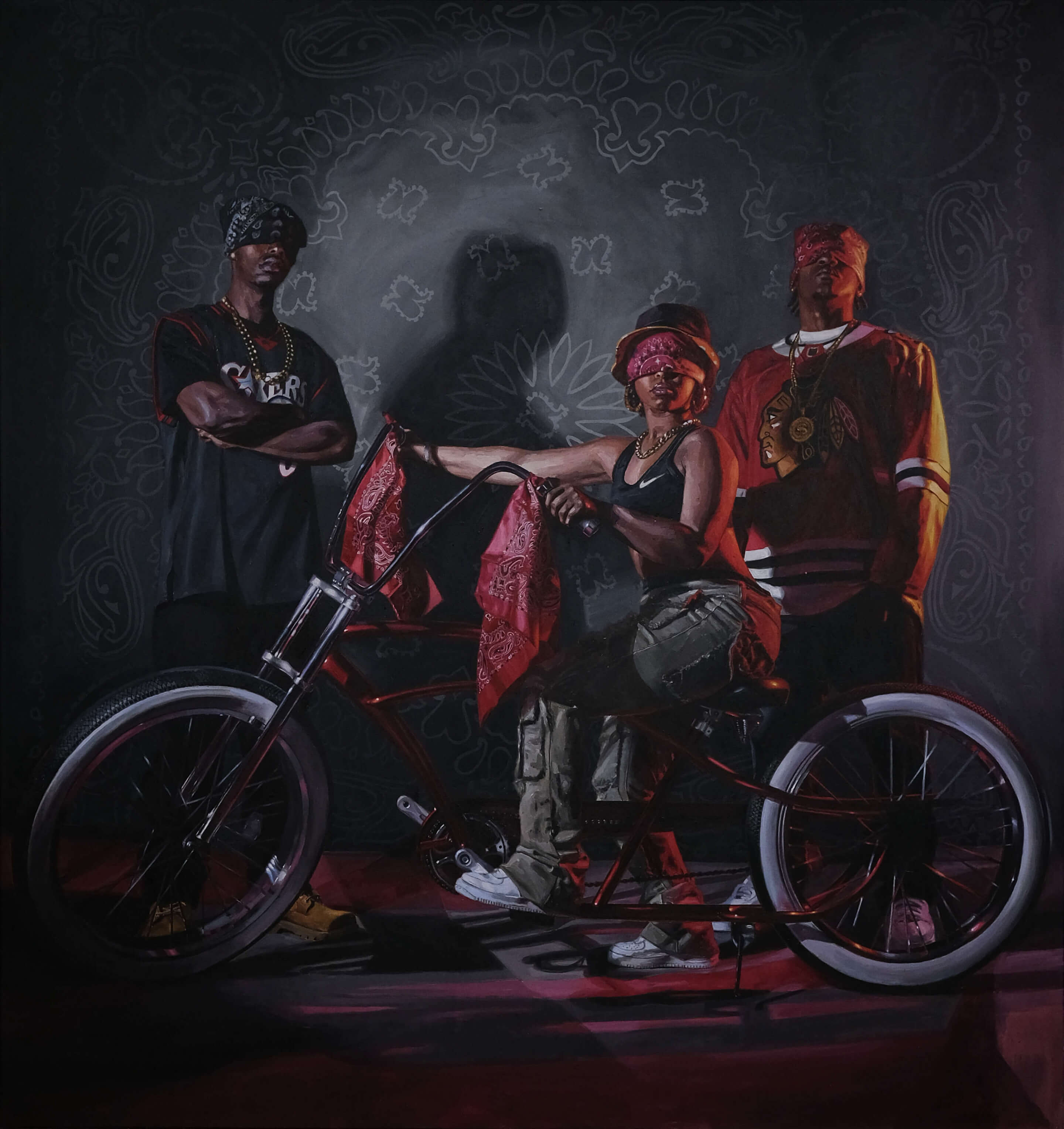
Upcoming Exhibition I GNYP ANTWERP
19 October 2024 – 01 December 2024
Idowu Oluwaseun
Poetic Culture
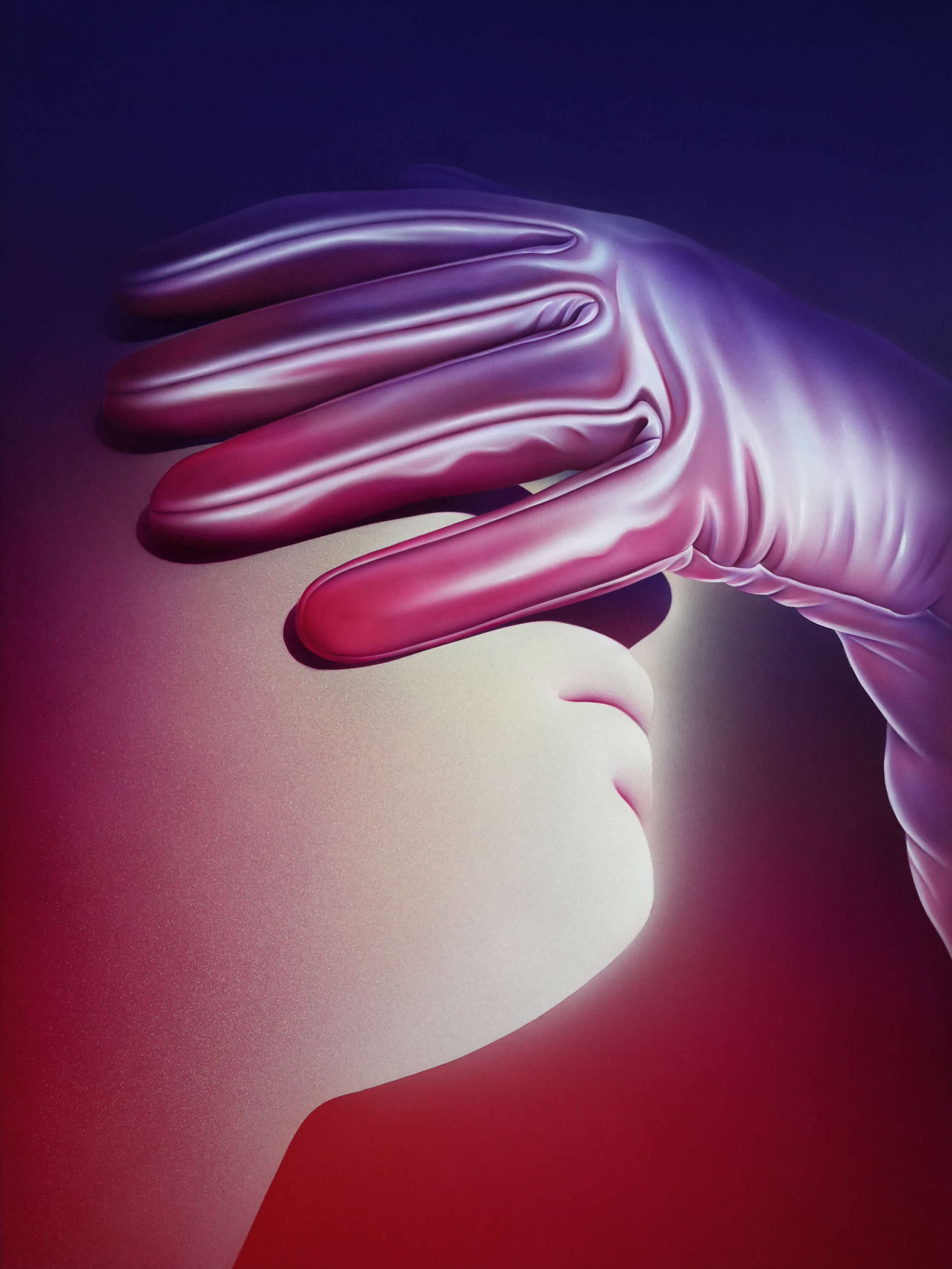
Upcoming Exhibition I GNYP Berlin
25 October 2024 – 23 November 2024
Aistė Stancikaitė
Crossings
Current Exhibition
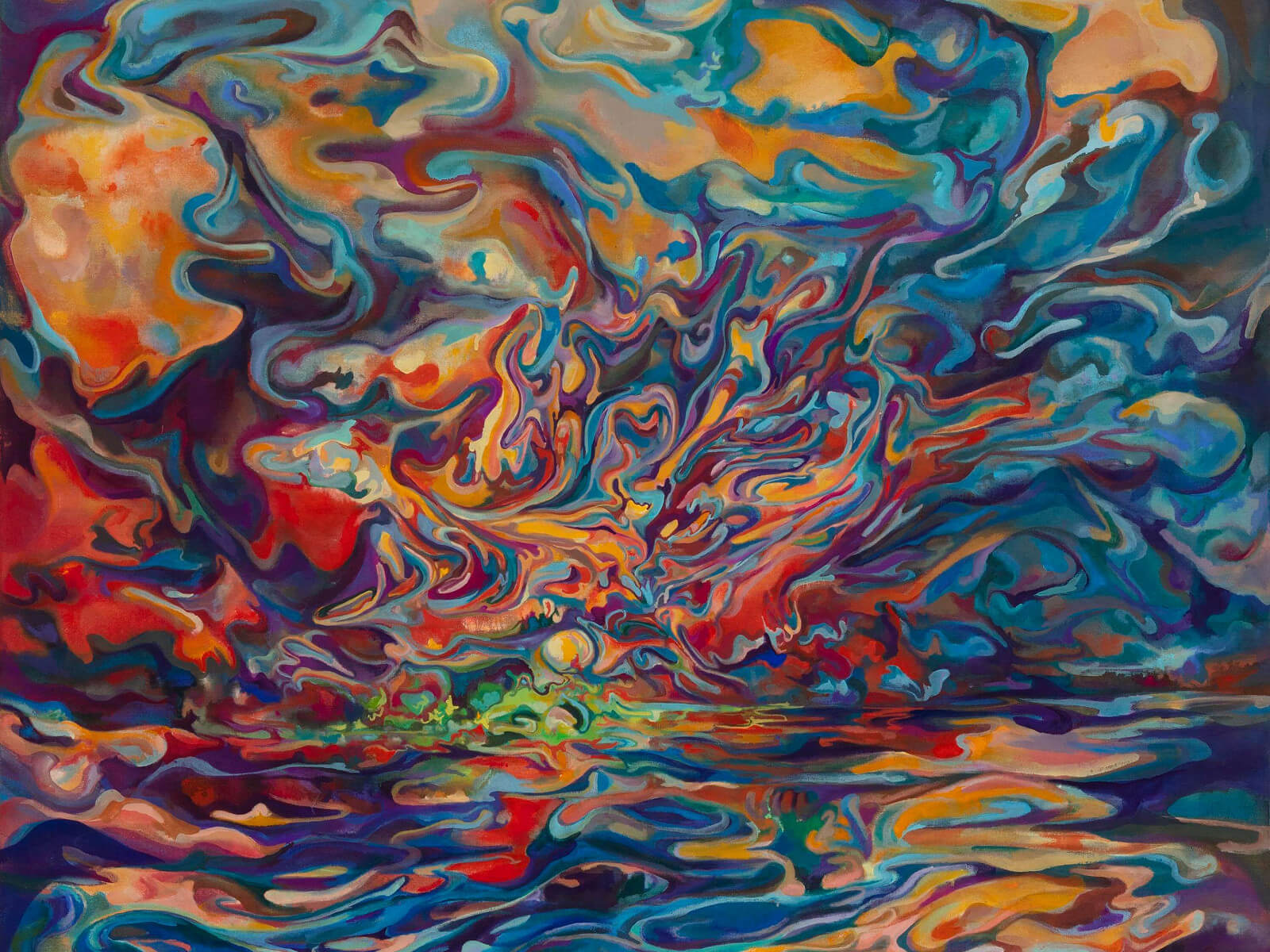
GNYP GALLERY BERLIN
Maria Calandra
The Seasons Bend
12 September 2024 – 19 October 2024
12 September 2024 – 19 October 2024
Upcoming Exhibition
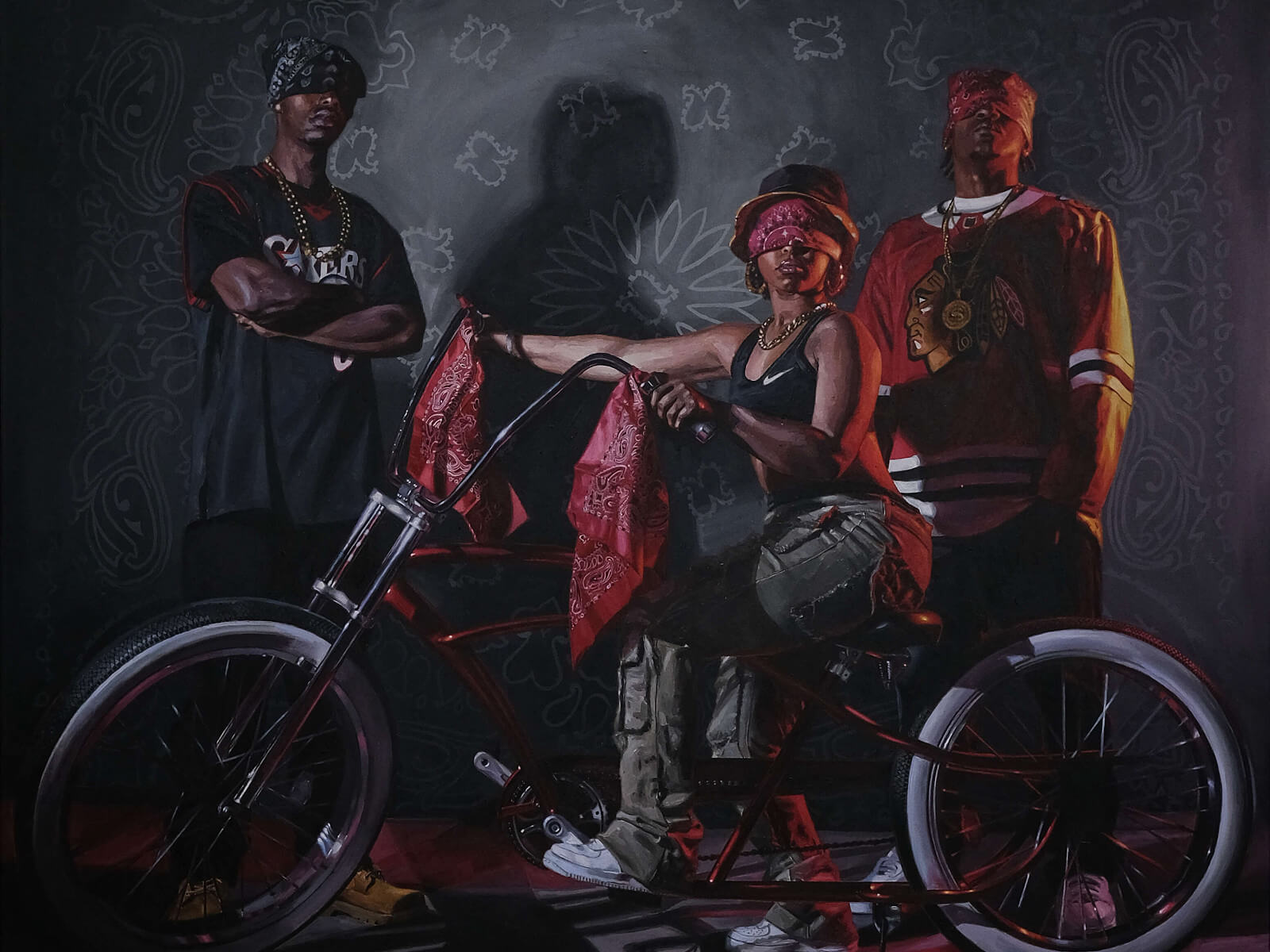
GNYP GALLERY ANTWERP
Idowu Oluwaseun
Poetic Culture
19 October 2024 – 01 December 2024
19 October 2024 – 01 December 2024
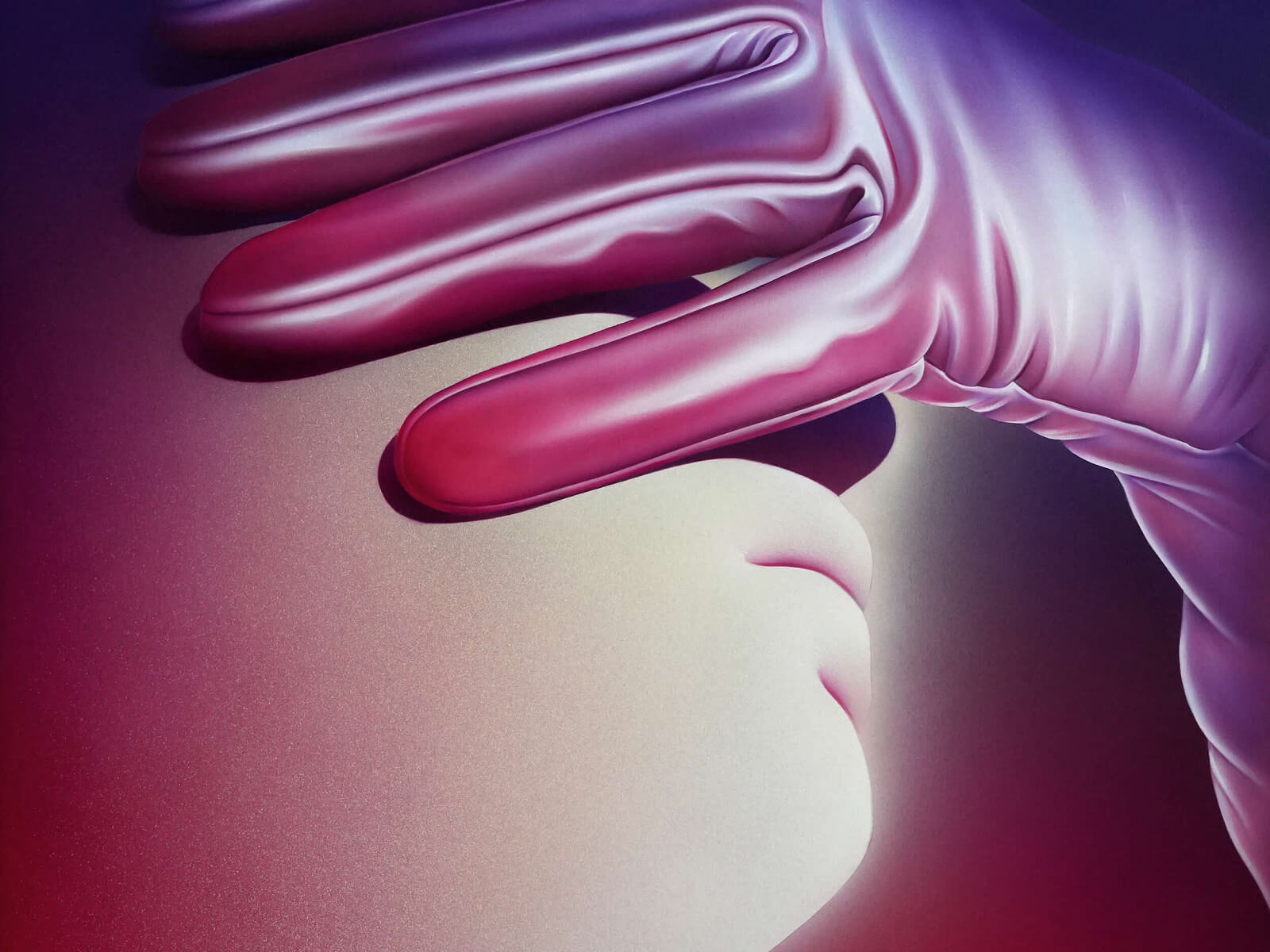
Upcoming Exhibition
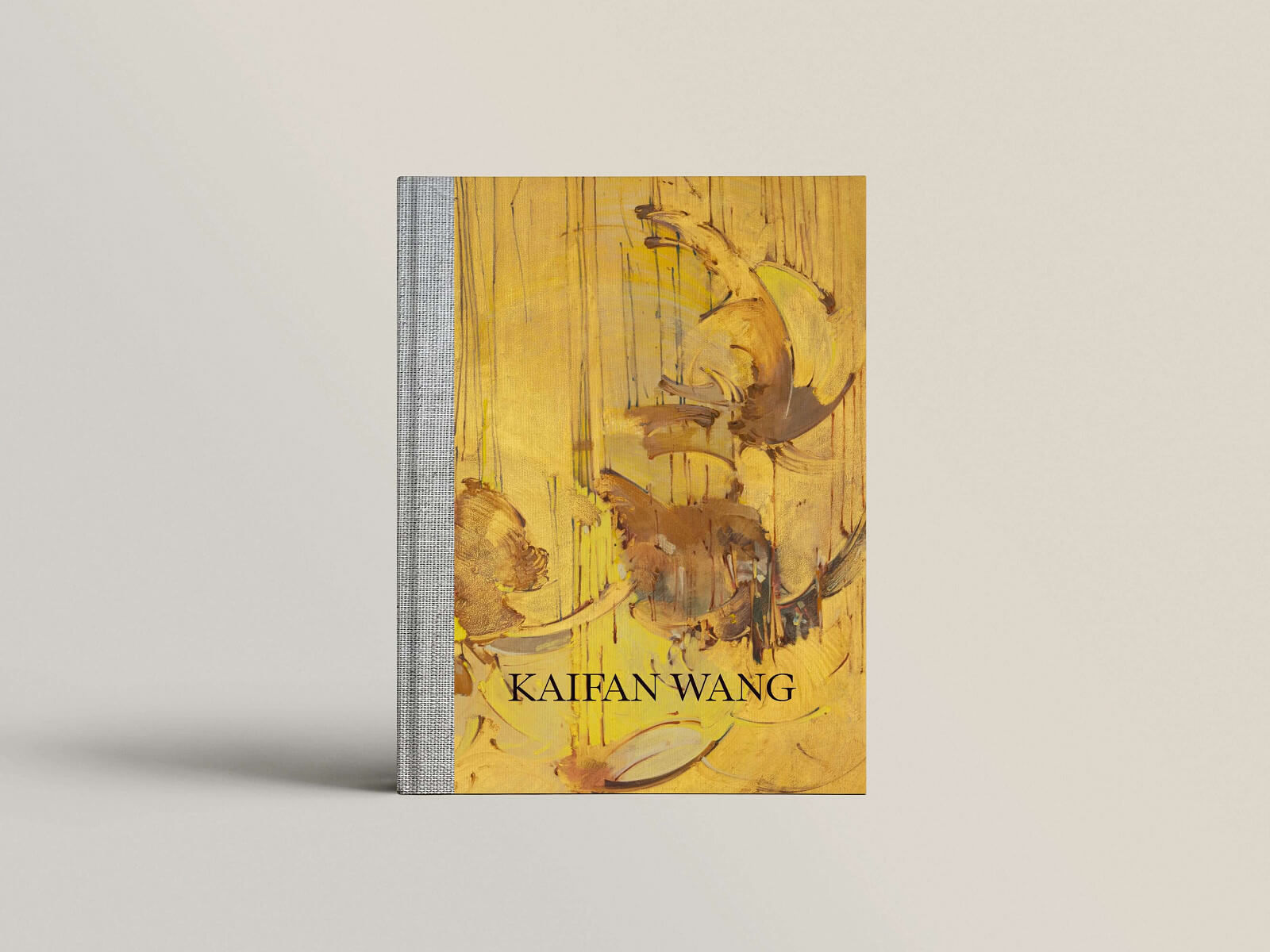
GNYP GALLERY BERLIN
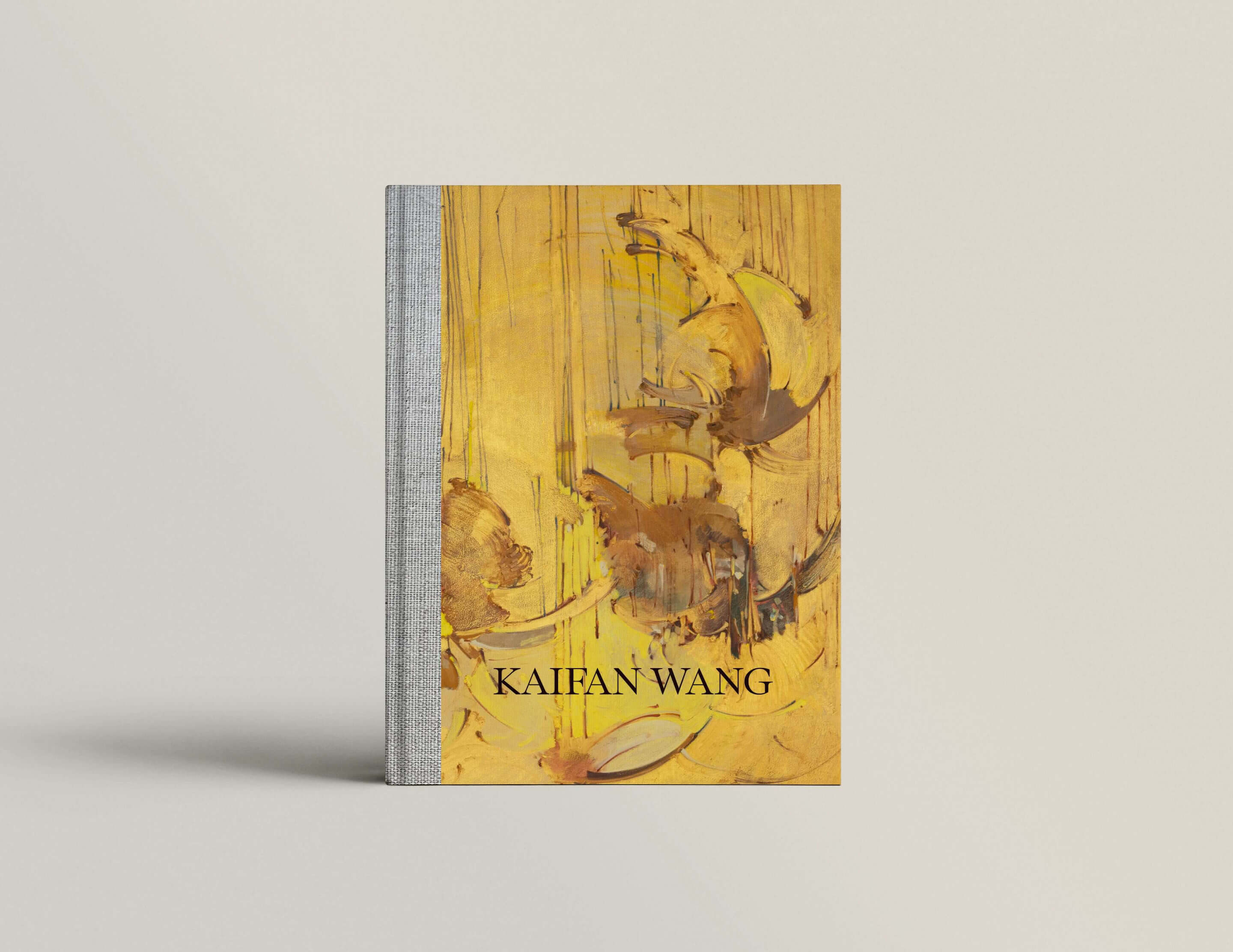
Kaifan Wang
Book Presentation
23 October 2024 – 23 October 2024
23 October 2024 – 23 October 2024
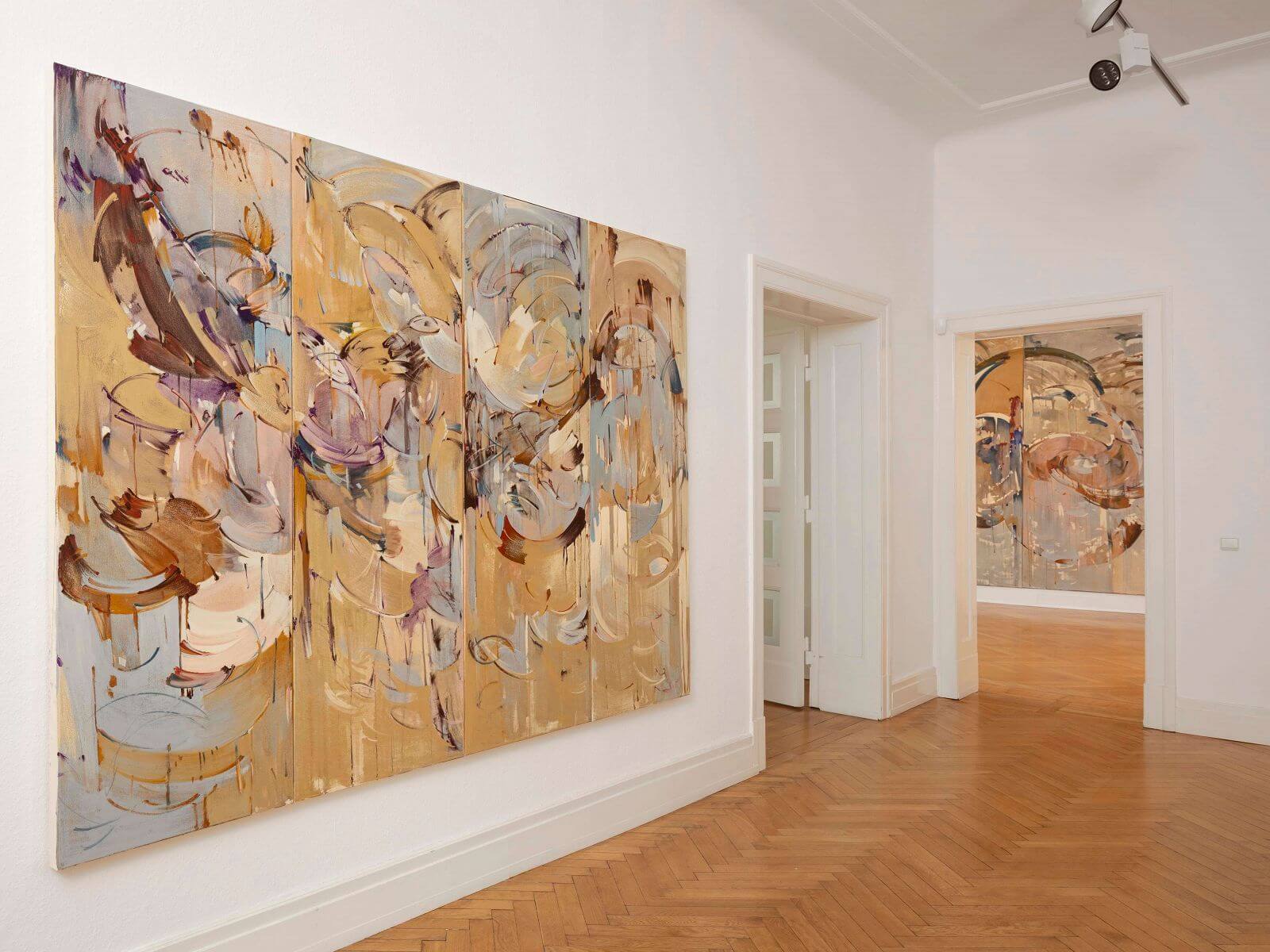
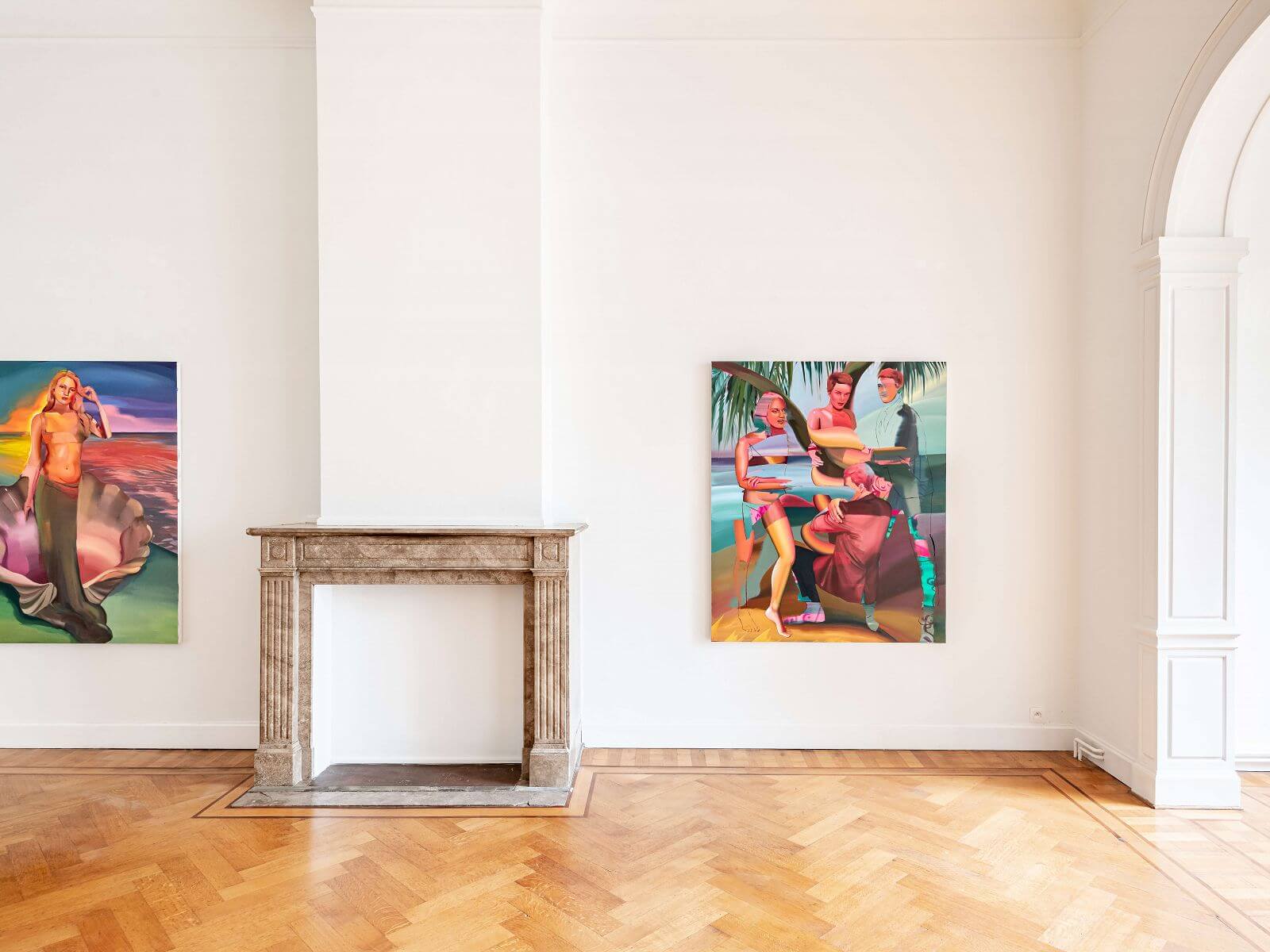
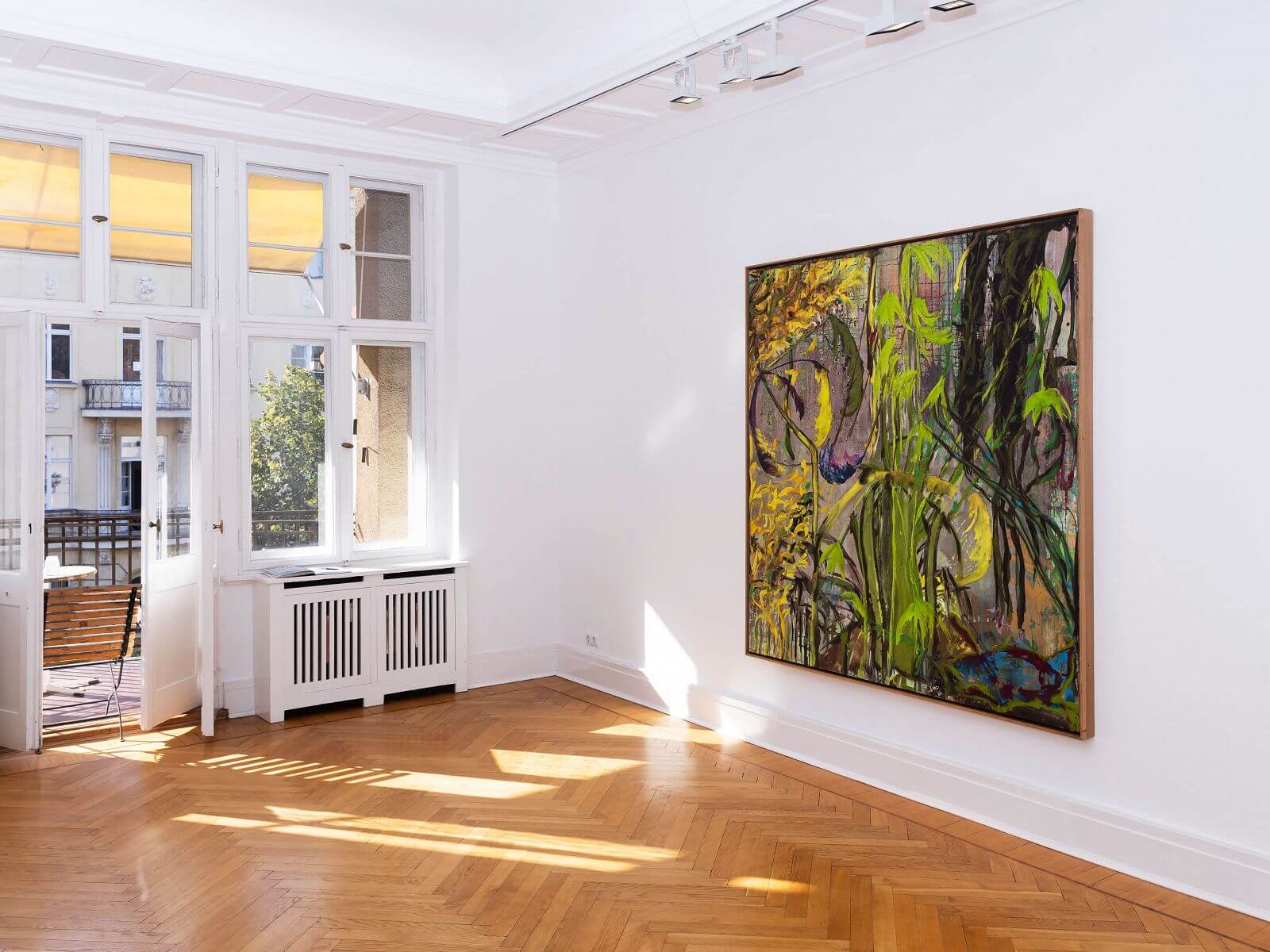
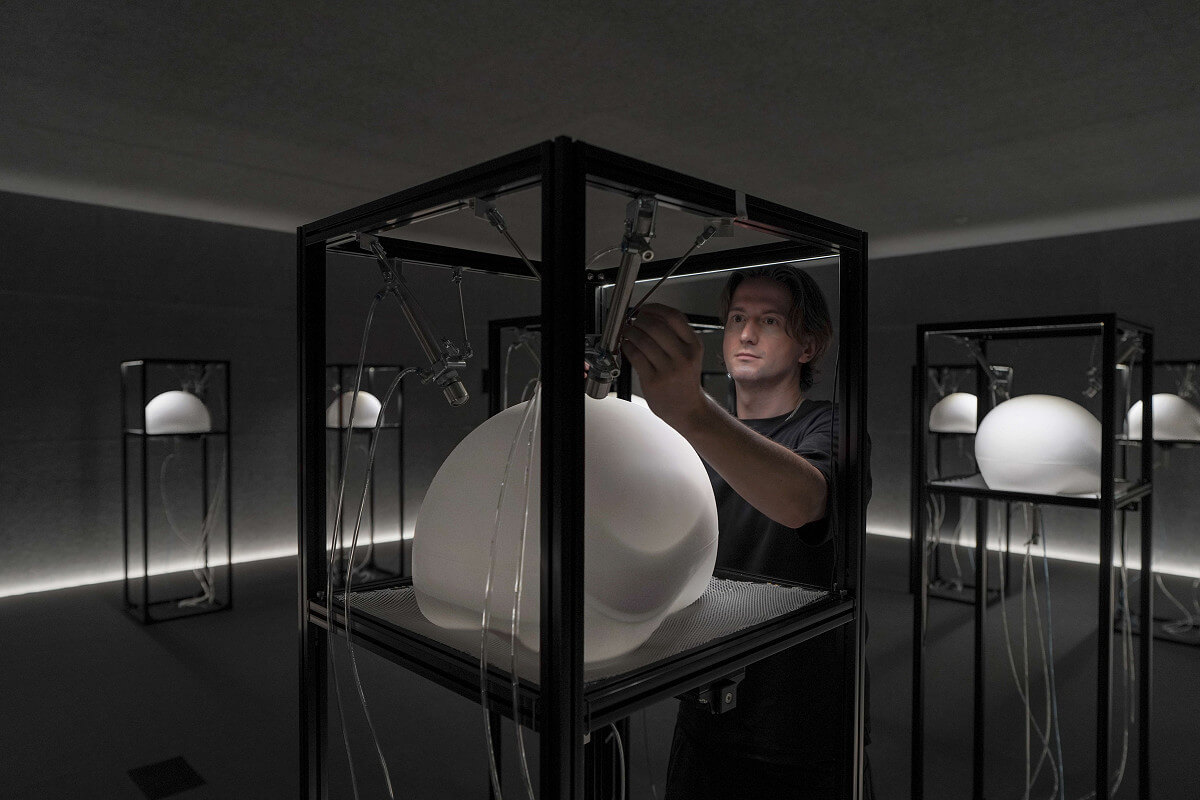
Harrison Pearce I Finalist for Sigg Art Prize 2024
The Sigg Art Foundation has announced the launch of the 2024 Sigg Art Prize, an initiative aimed at redefining the boundaries of artistic creation through the integration of Artificial Intelligence (AI). The Sigg Art Prize brings together an esteemed jury composed of leading figures in art, technology, philosophy, and cultural management. The jury members include: Nicolas Bourriaud – Curator and Art Critic; currently Artistic Director of the 15th Gwangju Biennale, South Korea, Joseph Fowler – Head of Art and Culture at the World Economic Forum, Anna Longo – Philosopher, Writer, and Program Director at the Collège International de Philosophie, Antonio Somaini – Professor at Université Sorbonne Nouvelle Paris, Anne Stenne – Independent curator, co-founder and Artistic Director at The Feral & Gediminas Urbonas – Director at MIT Program in Art, Culture, and Technology
Read More
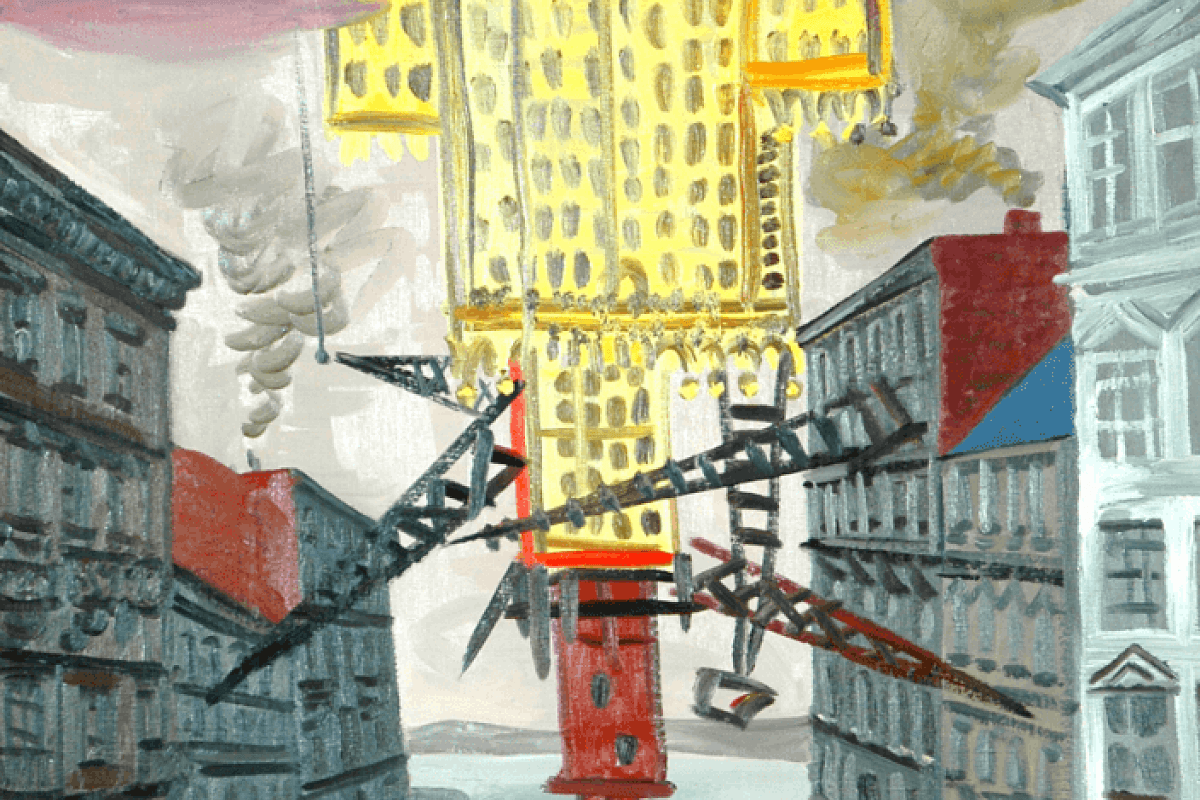
Fangor Street in Warsaw to be inaugurated October 9th, 2024
The city of Warsaw decided to honor the late esteemed artist and to name a new street next to the Museum of Modern Art after him. The inauguration will take place on October 9th in the presence of the mayor Rafał Trzaskowskii and the chairman of Fangor Foundation Piotr Patkowski.
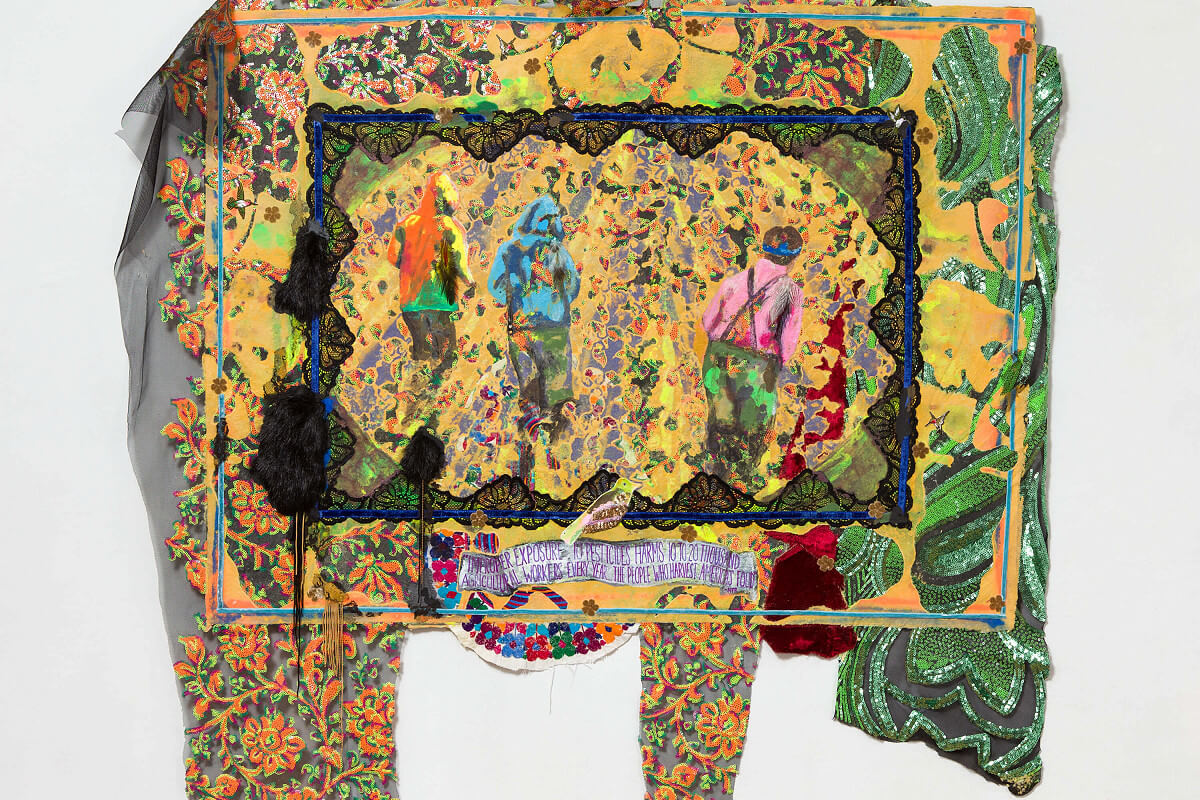
Group show "Against Monoculture" at Carolyn Campagna Kleefeld Contemporary Art Museum, USA shows Kate Pincus-Whitney
Exploring intersections of art and activism, Against Monoculture offers a creative lens through which to examine the structural causes and consequences of food inequality. Bringing together artists whose practices foreground the role of food in community, struggle, and survival, the exhibition considers the ways food is a direct link to land, culture, and identity, and how cultivating, preparing, and sharing food are fundamental creative acts.
Read More

Gefördert von der Beauftragten
der Bundesregierung für Kultur und
Medien
NEW ARRIVAL
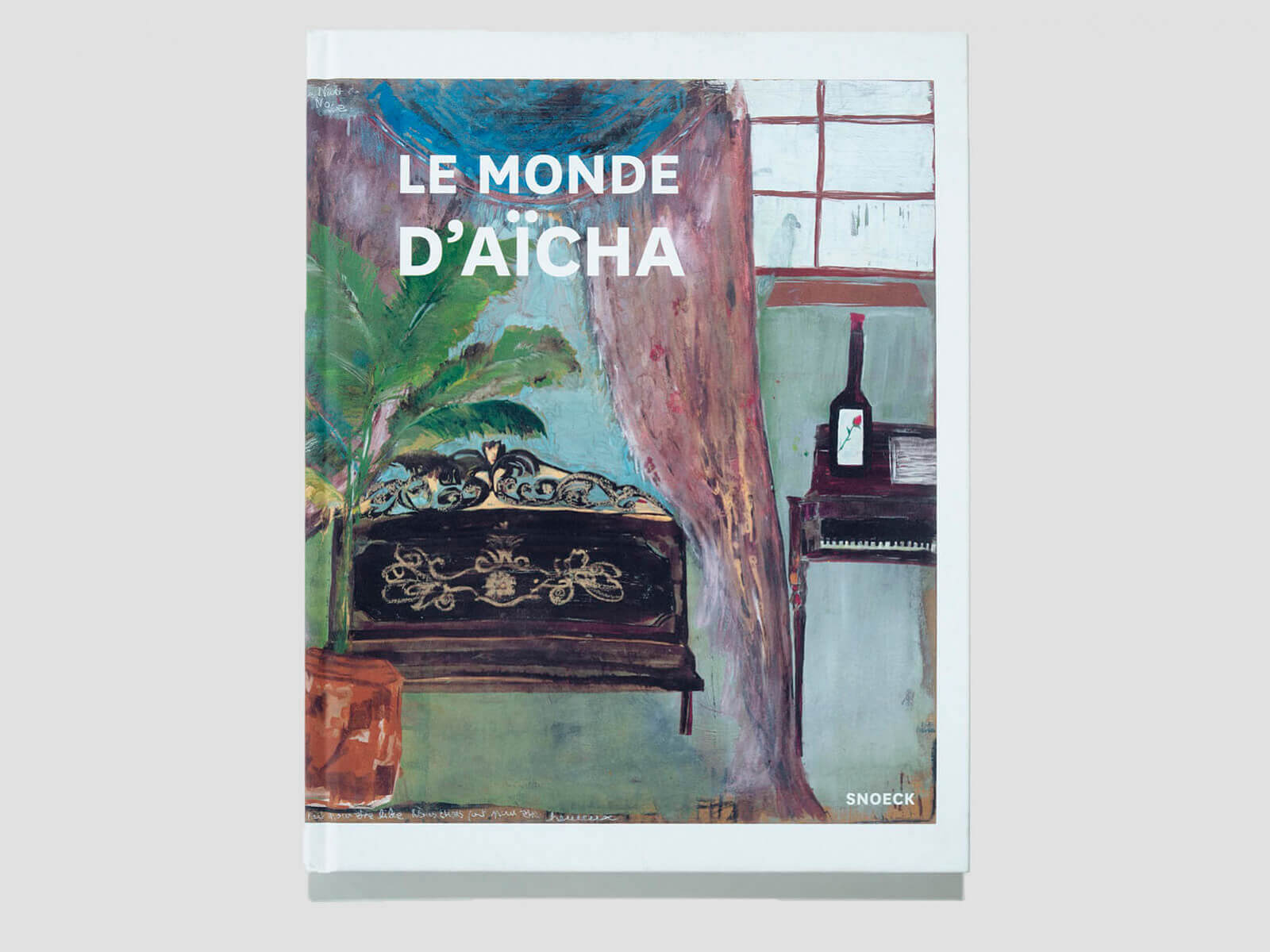
Le Monde d'Aïcha
Aïcha Khorchid (French, born 1981 in Pakistan) currently lives and works in Mallorca. Her paintings, always on large wooden panels, address Khorchid’s multilayered life story that forms a central point of reference in her work. Her oeuvre is about human relationships and their complexity. Khorchid artistically dissects her difficult childhood in the French foster family in Normandy, presenting to us its emotionally charged daily life and people that inhabited that world. In her paintings she returns to her childhood and youth, arranges the objects of everyday life and orchestrates the little stories. Her powerful seemingly naive visual language stresses intricacy of pain and happiness, and makes her work a vehicle to think about the human condition. Le Monde d’Aïcha contains an in-depth introduction by the director of the Albertina Vienna Prof. Dr. Albrecht Schröder, focusing on the biographical aspects of Khorchid’s oeuvre.